
TL;DR – In which I wax lyrical or ramble about the series The Leftovers and its exploration of faith and truth.
Warning – Contains scenes which may cause distress.
Disclosure – I paid for the Binge service that viewed this series.

The Leftovers Review –
Today, we will do something a little different than usual in that we will be less of a review and more of a retrospective on a series. Well, it’s not quite a retrospective, but more some musings that have been rumbling around in my head for months and that I better put down on paper somewhere so I can let them go rather than pondering on them all the time. With that in mind, we delve into the world of guilt, trauma, religion, faith, and crisis.
So to set the scene, three years before the start of the series on October 14th, 2011, two per cent of the world’s population vanished instantly. One hundred forty million people were gone in a moment of time, with no rhyme or reason as to why they were chosen. A child was screaming one second, gone the next. A family was eating breakfast one moment and gone the next. The person you were holding hands with during a science experiment, the person you were making love with, all gone. How do you move on after an event like this? Can you? Can society? Can the town of Mapleton and the Garvey family? Now from here, we will be looking at the whole series as a whole, so there will be [SPOILERS] ahead.
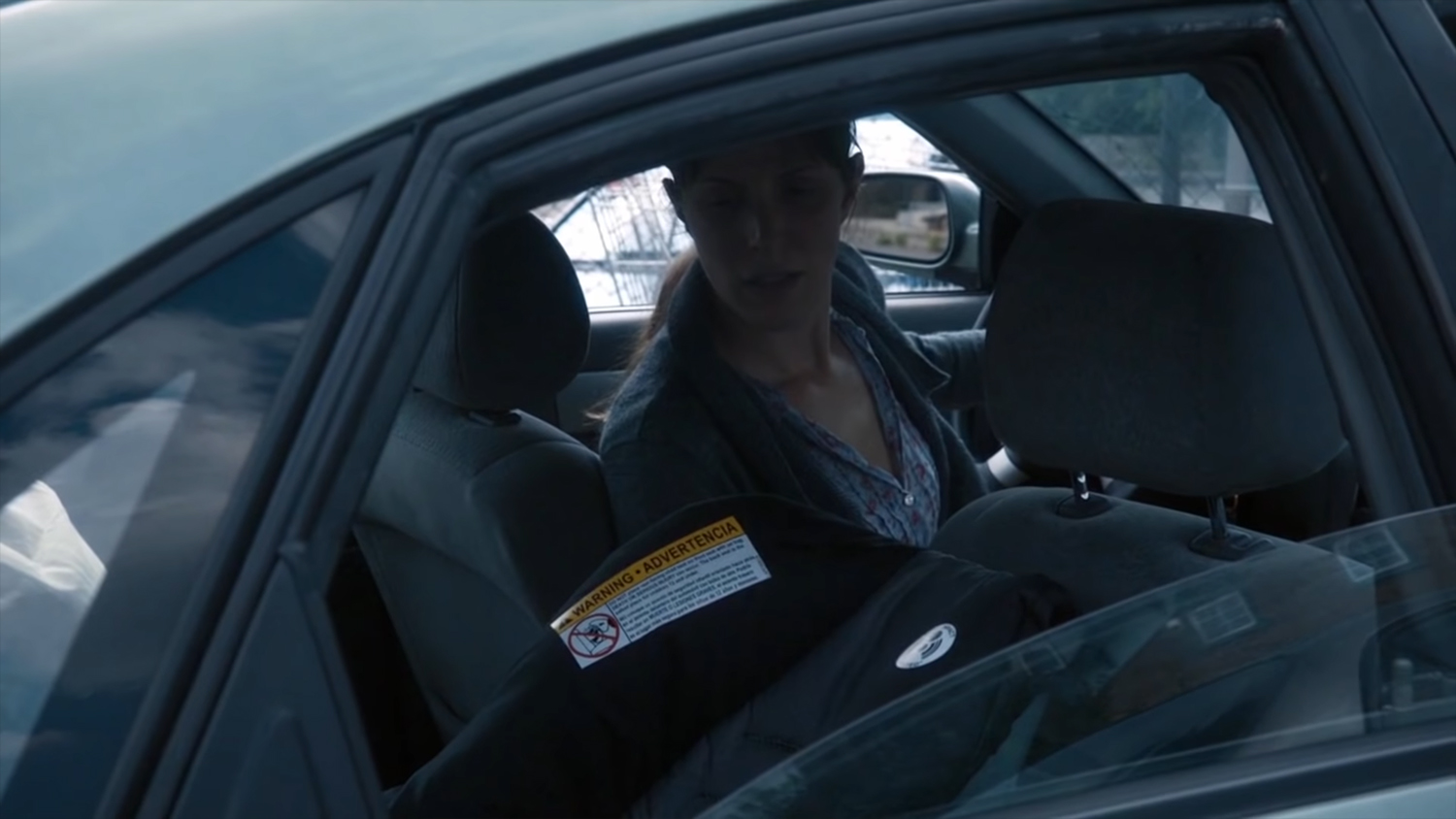
I didn’t have access to watch The Leftovers when it first came out, even though it had excellent reviews. It was a show that I always meant to watch at some point because it came so highly recommended. However, when I came to see it all those years later, I liked it, but it didn’t click with me the same way it did with others. I stopped watching the first time during the rough second season and got a bit frustrated when the third season jettisoned many of the characters I liked. But since watching, the ending and its themes have been sitting there, ruminating in my brain, waiting for a focal point to direct them, and then it came one day. While I was mixed on the series, the one thing I was sure about was that the musical score by Max Richter was phenomenal. It was listening to that one day on YouTube when I saw a retrospective that I clicked on out of interest to pass the time, and it was here where, like a slap in the face, I was presented with the critical question: “Did Nora Lie?” A question we will be returning to throughout this retrospective.
At the heart of the show is a struggle of people to go on in a world that has fundamentally changed in an instant. I think this is a theme that probably reverberates for people of my generation because we lived a version of that on 9/11. With the dread that it could happen again at any moment, permeating every level of society. But even with 9/11, you got some sense of closure. There was not a question of if the people were dead or not. But what happens if you add that lack of closure on top of a traumatic event? How does that change a person, a town, or even a country? You know that your loved ones are probably gone and won’t be coming back, but those are just ifs, buts, and maybes. It is the damage from never finding the body but escalated worldwide (well, worldwide, bar North Korea, apparently).
Grief is all about closure, but what if there is no closure to find? This is where we find the remnants of the Garvey family at the start of the show. Kevin (Justin Theroux) is trying to keep his town together as the chief of police, but how do you keep the town together when you can’t keep your family together? Laurie (Amy Brenneman) has joined the Guilty Remnant, one of the many new cults that have explored in the wake of the Departure. Jill (Margaret Qualley), their daughter, is still at school but is becoming more despondent as time goes on, and Tommy (Chris Zylka) has left to follow a guru called Holy Wanye (Paterson Joseph). To go from a picture of the perfect family to complete collapse makes you fascinated to dive more into this world. Of course, that picture of an ideal family didn’t reflect reality, making it even more interesting to explore. You also have the families that have lost everything. Nora (Carrie Coon) lost her husband and children in the Departure, Meg (Liv Tyler) never got to reconcile with her mother, and Matt Jamison (Christopher Eccleston) had the opposite effect of the Sudden Departure when his wife Mary (Janel Moloney) was severely injured in the fallout of all those people blinking out of existence.
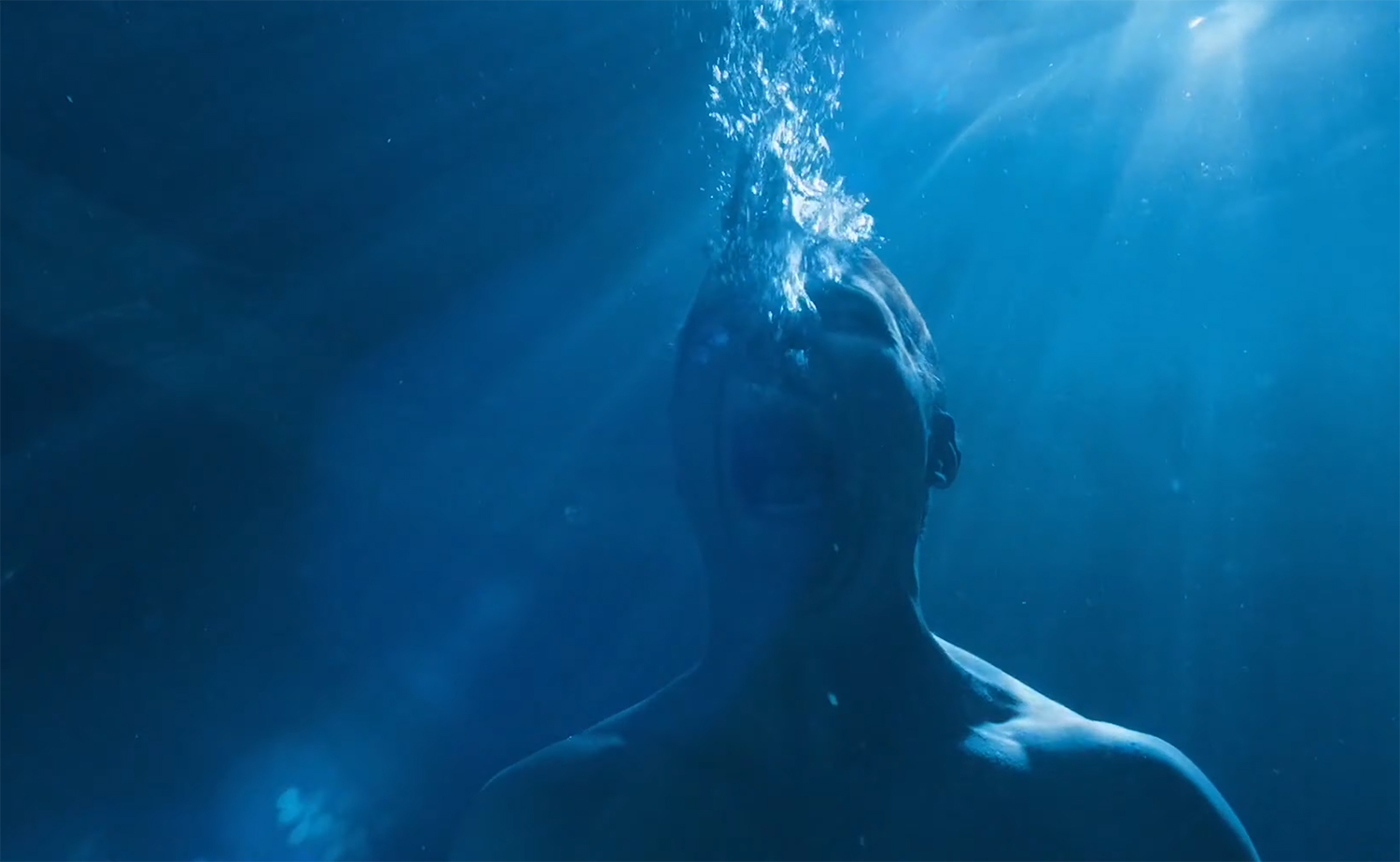
All of this is explored through some of the best production I have seen in a show. There is a care in every moment to make it land from a visual perspective. Whether that is characters screaming under the water, the moment of grief of realising that your child is not dead, but that you have lost them anyway, or someone leading the child representation of a great adversary to a well to dispel her presence in life beyond. This beauty is amplified by Max Richter’s musical score, juxtaposing haunting cellos and confronting piano works. Something that feels both liturgical and otherworldly.
The Leftovers arrived at the height of the Mystery Box, in this case, the mystery being what caused the Departure. But while that is the heart of the mystery, the show is not that interested in answering that question. It is more interested in seeing how it impacts the characters. Everyone is put through a crisis of faith, leadership, or even if you can trust your own mind. These are the questions that the show is wanting to explore. But then, when you home in on that, you realise that just because something is a McGuffin in the show, looking at you May 1972 edition of the National Geographic, does not mean it doesn’t have reverberations across the series.
If there is one topic that The Leftovers explores more than any other, it is that of religion or, to be more specific, faith. Religious imagery permeates the show, which you see right from the get-go in the show’s season one opening titles. We see this exploration of faith on three different levels, the first being the conceptional. The central mystery is similar to the theological concept of Rapture, and it is the main story element that drives every part of the show. Then there is the structural level. How do society and organisations interact with faith and shifts in religions? What does science mean in a world where such a profound thing can not be explained by science? How do religions explain something so far outside of their established narratives? What comes in to fill the void when things are lost? Indeed, the Guilty Remnant almost feels like a parody of a cult because, unlike most cults, they make their presence fundamentally known. How do you act as a society when your grief is constantly thrown back in your face?
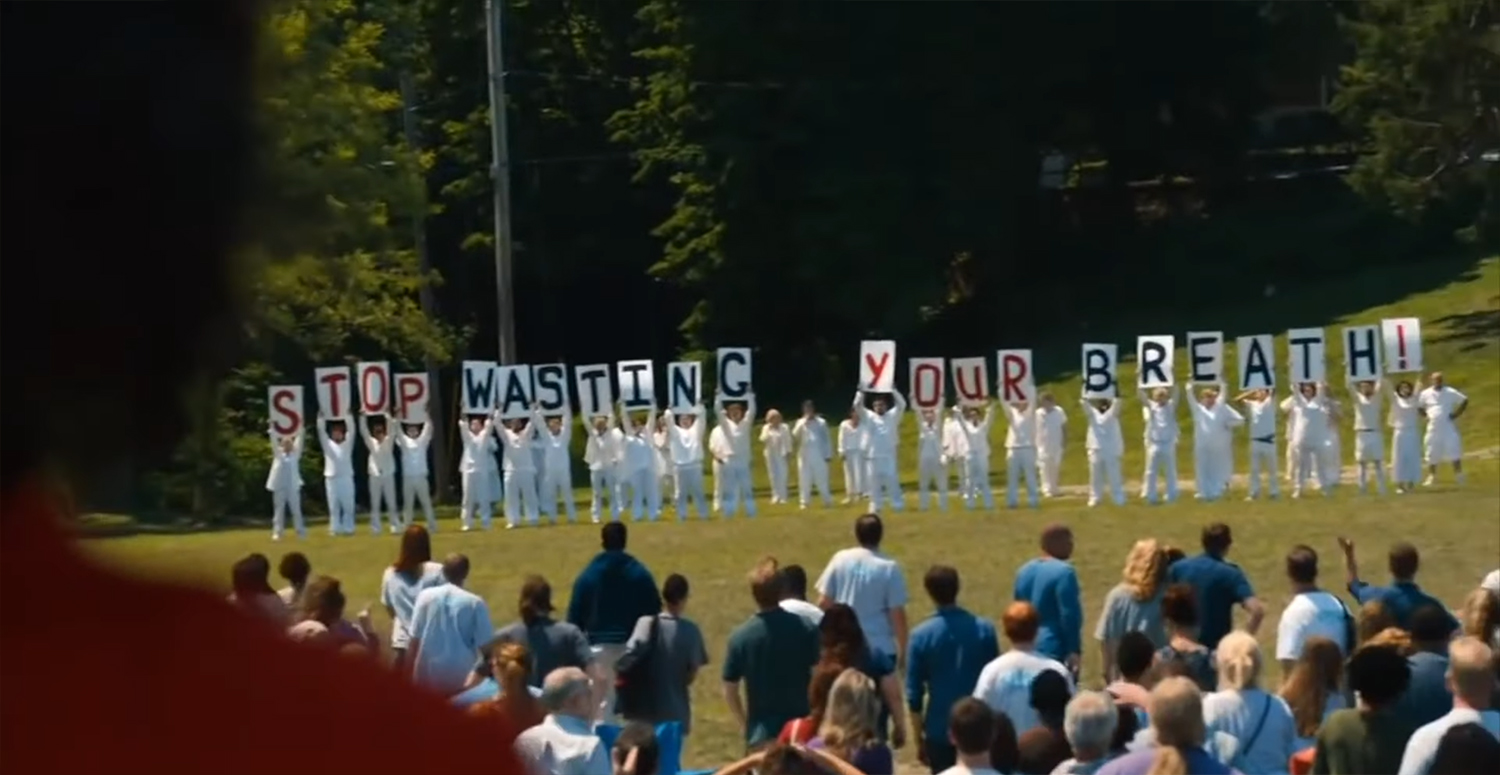
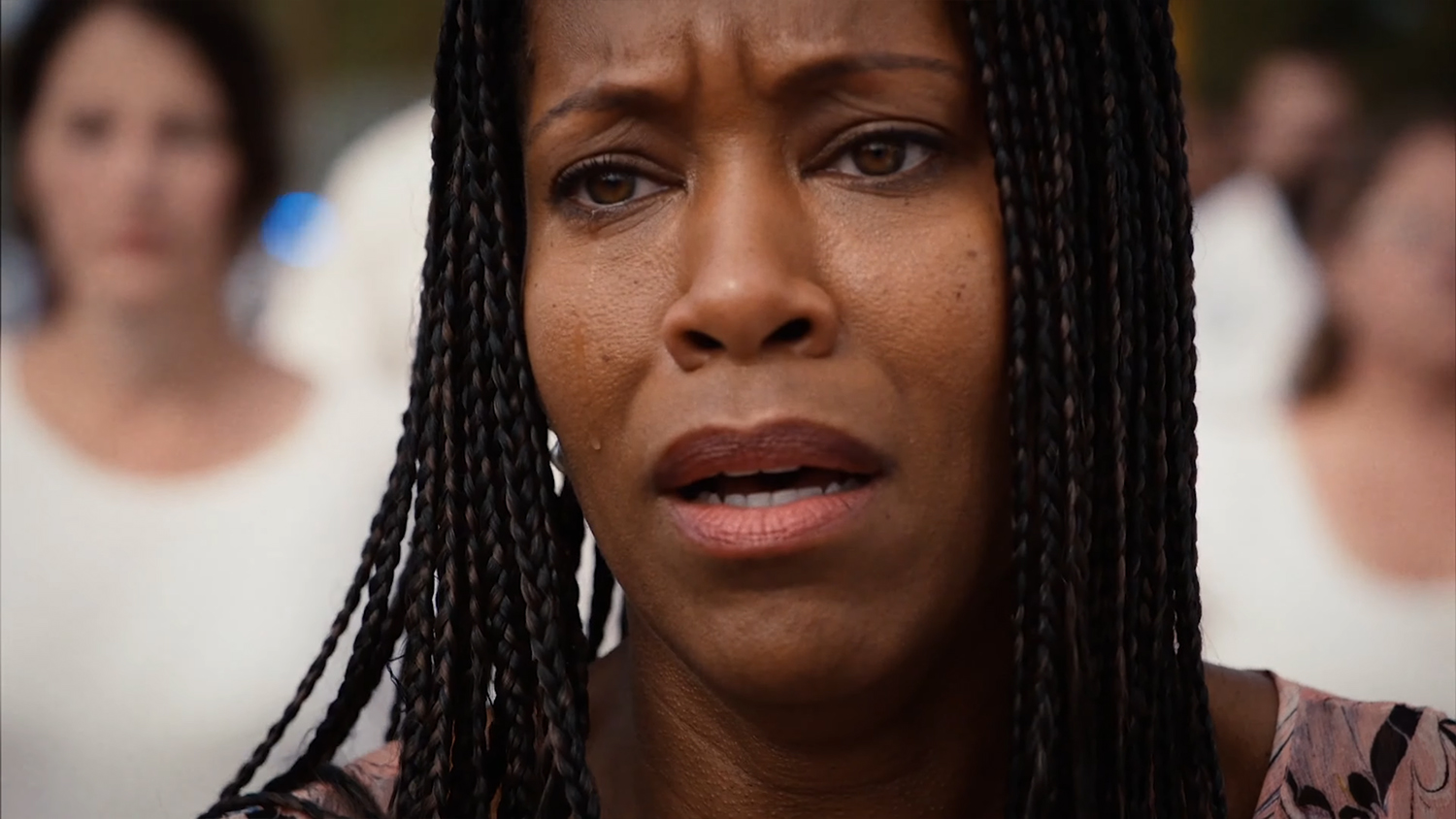
The last level is that of the personal, which is the area I most want to speak about today. The crisis of faith permeates the series. Indeed, the third season both opens and closes with people reacting to an apocalypse that never came. Matt Jamison is a priest whose faith was constantly being tested by the Departure, by cancer, and even apparently by God themselves (Bill Camp) on a boat from Tasmania to Melbourne. Grace Playford (Lindsay Duncan) is driven by her faith right up to murder in a desperate need to find closure. Gladys (Marceline Hugot) and Patti (Ann Dowd) gave their lives for their cause because they knew it to be true. John Murphy (Kevin Carroll) becomes a vigilante, passing judgment on others because he knows what is right or wrong above anyone else.
Indeed, much of the show revolves around Kevin Garvey and the question of whether he is slowly losing his mind or receiving prophetic visions from beyond. Is he immortal, or is he just fortunate? Is he a second coming or a fraud? Does he visit the beyond, or is it a hallucination? Are his blackout moments divine intervention or mental illness? Kevin is not a strong man of any faith, but then he is thrust into this world where he becomes a religious icon for others around him, where the line between coincidence and miracles is blurred to the extreme.

But within this space, we return to the question, “Did Nora Lie?” and for context as to what I mean by that, we need to go to the final scenes of the last season. The final season is bookended with the episodes The Book of Kevin and The Book of Nora, as their relationship and truths are at the core of what we are exploring. Throughout the season, while Kevin is coming face to face with whether he is a profit or not, Nora is investigating the latest potential Departure fraud, this time by scientists (Katja Herbers/Victoria Haralabidou) who claim they can reunite people with their lost loved ones. This reaches the core of what drives Nora: her grief, loss, and inability to move forward.
However, just as the procedure is about to be completed, we cut to black and see a much older Nora biking around the Australian countryside. She is rocked by Kevin turning up in town and recognising her. A lot happens, but in the end, we sit down for a cup of tea as Nora explains that the procedure worked, and she was sent to a world where 98% of the world’s population disappeared on the day of the Sudden Departure. She made the long trip back to Mapleton only to discover her family was happy because they were the lucky ones in this world. Not wanting to rock their lives, Nora found the person who made the machine and was sent back to this one, where she hid out in Australia, keeping only one connection to her past life, Laurie.
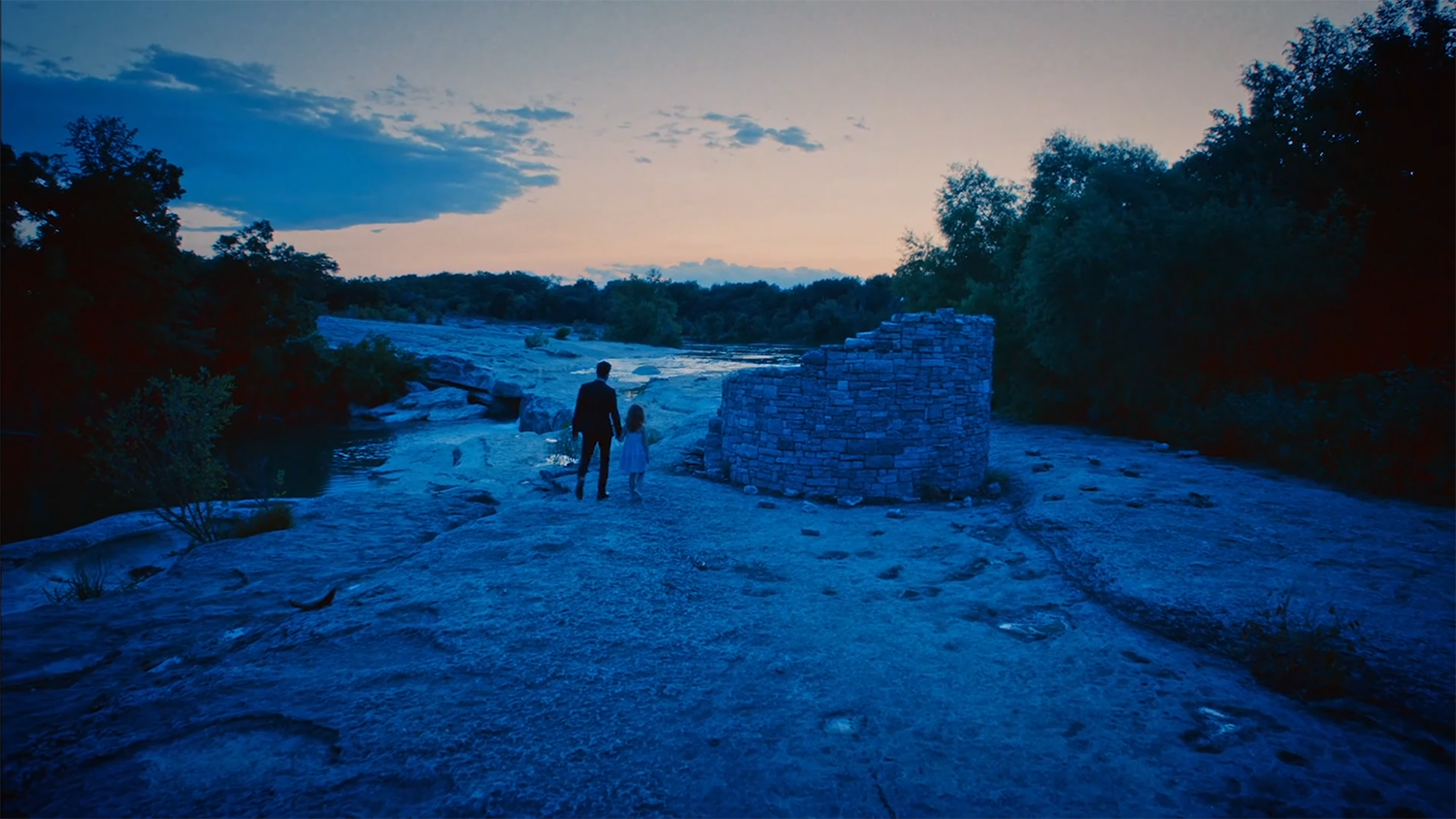
When I first watched the show, I took what Nora said at face value as being the truth, partly because Carrie Coon nails it in her performance but also because Kevin accepts that it is true in the moment. I did not think much about it at all until I saw someone question it online. Had I watched this on release, I probably would have come across this point of view quite quickly, but from here, it was about a year between finishing the show and having the rug pulled out from under my feet. This question of “Did Nora Lie?” comes down into the heart of the themes the show explores because it is all about faith. Does it need to be the objective truth if people accept it to be the truth? Was Holy Wayne healing people, or did people just think he was? In a broken world, is there a difference between the two?
It is a fascinating moment because while I said earlier in this article that the show was exploring faith at three different levels, it was actually exploring it on a fourth level, the level of the viewer. Do you, the viewer, believe that the things you see in the show are supernatural occurrences, or were they just coincidences? Do you believe Kevin visited Heaven or some form of the afterlife in International Assassin and The Most Powerful Man in the World (and His Identical Twin Brother)? Do you believe that Nora was telling the truth, or was it a lie she told herself to give her the closure she needed to move on finally? Now, is Nora determined to do everything she says in her story? Absolutely. Or could it just be a nicer story? Absolutely. But there is no true answer; there is no absolute truth; just like the characters in the show, you need to work out if you will take it on faith or not.

In the end, it is a fascinating show that can provoke reflection years after those finale credits rolled. Maybe it is just because Max Richter’s musical score lives rent-free in my brain now, and perhaps it is because the series made me reflect on my thoughts, or maybe it was because love triumphed in the end.
By Brian MacNamara: You can follow Brian on Twitter Here, when he’s not chatting about Movies and TV, he’ll be talking about International Relations, or the Solar System.
Have you seen The Leftovers yet ?, let us know what you thought in the comments below, feel free to share this review on any of the social medias and you can follow us Here. Check out all our past reviews and articles Here, and have a happy day.
Credits – All images were created by the cast, crew, and production companies of The Leftovers
Created by – Damon Lindelof & Tom Perrotta
Based On – The Leftovers by Tom Perrotta
Production/Distribution Companies – White Rabbit Productions, Film 44, Warner Bros. Television & HBO
Starring – Justin Theroux, Carrie Coon, Amy Brenneman, Christopher Eccleston, Ann Dowd, Liv Tyler, Chris Zylka, Margaret Qualley, Janel Moloney, Regina King, Kevin Carroll, Jovan Adepo & Scott Glenn with Emily Meade, Amanda Warren, Michael Gaston, Max Carver, Charlie Carver, Annie Q., Paterson Joseph, Marceline Hugot, Jasmin Savoy Brown, Steven Williams, Turk Pipkin, Lindsay Duncan, Damien Garvey, Katja Herbers, Victoria Haralabidou, Mark Linn-Baker, Brett Butler, Joel Murray, Bill Camp, Lasarus Ratuere & David Gulpilil
Episodes Covered– Pilot, Penguin One, Us Zero, Two Boats and a Helicopter, B.J. and the A.C., Gladys, Guest, Solace for Tired Feet, Cairo, The Garveys at Their Best, The Prodigal Son Returns, Axis Mundi, A Matter of Geography, Off Ramp, Orange Sticker, No Room at the Inn, Lens, A Most Powerful Adversary, International Assassin, Ten Thirteen, I Live Here Now, The Book of Kevin, Don’t Be Ridiculous, Crazy Whitefella Thinking, G’Day Melbourne, It’s a Matt, Matt, Matt, Matt World, Certified, The Most Powerful Man in the World (and His Identical Twin Brother) & The Book of Nora
 TL;DR Movie Reviews and Analysis
Pingback: Deadland – Movie Review | TL;DR Movie Reviews and Analysis
Pingback: Hamnet – Movie Review | TL;DR Movie Reviews and Analysis
Pingback: PLUR1BUS: Season 1 – TV Review | TL;DR Movie Reviews and Analysis
Pingback: Fallout: The Wrangler [S2E5] – TV Review | TL;DR Movie Reviews and Analysis