TL;DR – While the scenery is stunning, the cast is giving their all, and the themes they are exploring are quite important. Unfortunately, Anemone is a victim of the whole not being as good as the sum of its parts.
Post-Credit Scene – There is no post-credit scene.
Disclosure – I was invited to a press screening of this film.
Warning – This film contains scenes which may cause distress.

Anemone Review Introduction –
Let’s be honest, there is a lot I could say here in my opening paragraph as to what made me want to watch this film. However, we all know why you are immediately captivated by this slightly odd film; it is because Daniel Day-Lewis came out of retirement to star in one more movie. No matter what else is happening, that makes it a must-watch.
So, to set the scene, we open with Jem Stoker (Sean Bean) making the long trek into the wilderness of England looking for his brother Ray Stoker (Daniel Day-Lewis). Twenty years ago, Ray left his house and his pregnant wife Nessa Stoker (Samantha Morton) to build a life in isolation. Well, now his son Brian Stoker (Samuel Bottomley) is in trouble because the absence of his father has followed him around wherever he goes, and Jem hopes that bringing Ray back to speak with Brian will stop the boy from going down a dark path.
The Parts
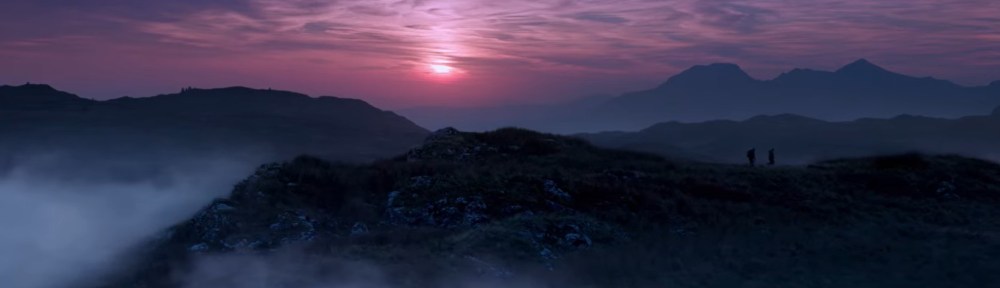
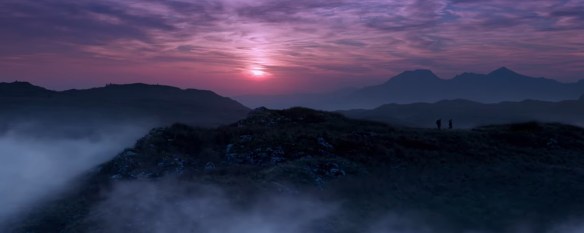
The first thing I need to say is that this is a stunningly beautiful film, and I mean this. Some images take your breath away. For reference, they are on par with the opening sunset march in Sicario. They have a way of capturing the British countryside, its forests, rivers, and beaches in a way that absolutely captivates you. The camera lingers in these moments because it knows what it has captured. Then there are all the sets that they use that feel lived in and appropriate for the time period the film is set in. There are the small touches, such as the furniture in Ray’s cabin, or the fact that Brian does not change his costume throughout the film. It is those small details that build a world.
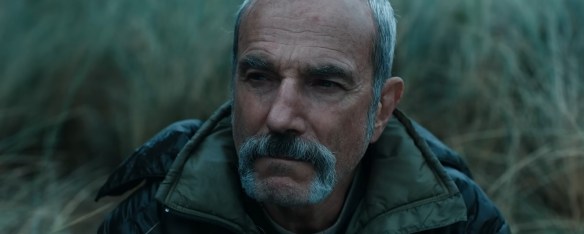
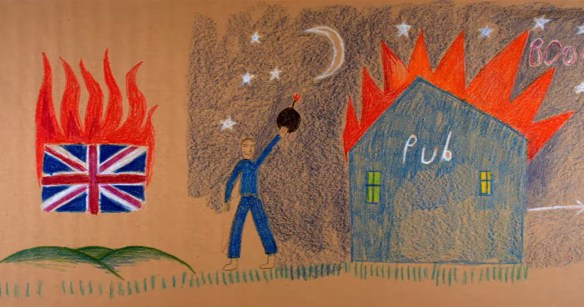
Then there is the acting, and I would be lying if I said that Daniel Day-Lewis didn’t captivate the screen every moment he was on. Sean Bean then becomes an effective foil for him to play off of as we have this battle of wills throughout the film. I also liked Samuel Bottomley’s performance, which grew like the tide coming in, slowly captivating the film. Anemone is also getting into the weeds with some important issues around abuse, trauma, shame, war crimes, military members post-service, and generational trauma. All of these are valuable to explore because they break down the decades and centuries of active ignorance around how they affect men.
The Sum
However, while many of the parts of the film are exemplary, when you put it together, unfortunately, it kind of falls apart in places. The chief reason for that, for me, was the way that the film consistently created distance between the audience and the subjects, to the extent that the emotional resolution falls flat. Once you become disconnected from the characters, the film loses its dimensions and becomes flat, almost shallow. It is almost as if the film is building the very walls that it wants to critique with its themes.
One of the ways this happened to me was through the consistent use of this one technique throughout the film. There are moments where the film lingers on a scene a touch longer than you would expect, the impeccable musical score from Bobby Krlic swells, and just when you envelop yourself in the moment, it hard cuts to black. This is like the cinematic version of pulling the rug out from underneath your audience. Using this sparingly could be effective if you want to keep your audience off-balance. But it is used so often that I found myself detaching from the film, and once that happens, not even the big emotional payoffs land.
Recommendation
In the end, do we recommend Anemone? If you are a fan of the acting style of Daniel Day-Lewis, then this is an easy recommendation because this was an extra film you were not expecting. For everyone else, well, unfortunately, I am not sure I can because it didn’t land with me, and given the vibes I was picking up from the rest of the audience, I don’t think I was alone there.
Have you watched Anemone? Let us know what you thought in the comments below.If you liked Anemone, we would recommend The Rooster because it explores a lot of the similar thematic issues of masculinity and loneliness, but it keeps you connected throughout.
By Brian MacNamara: You can follow Brian on Bluesky at @Tldrmovrev, when he’s not chatting about Movies and TV, he’ll be talking about International Relations, or the Solar System.
Feel free to share this review on social media and check out all our past reviews and articles Here, and have a happy day.
Credits – All images were created by the cast, crew, and production companies of Anemone
Directed by – Ronan Day-Lewis
Written by – Ronan Day-Lewis & Daniel Day-Lewis
Music by – Bobby Krlic
Cinematography by – Ben Fordesman
Edited by – Nathan Nugent
Production/Distribution Companies – Plan B Entertainment, Focus Features & Universal Pictures.
Starring – Daniel Day-Lewis, Sean Bean, Samantha Morton, Samuel Bottomley, & Safia Oakley-Green
Rating – Australia: M; Canada: 14a; Germany: 12; New Zealand: M; United Kingdom: 15; United States: R
 TL;DR Movie Reviews and Analysis