
TL;DR – While the film could have been tightened up in the edit, some strong character development and charisma from Dulquer Salmaan helps pull you through.
Post-Credit Scene – There is no post-credit scene.
Disclosure – I paid for the Netflix service that viewed this film.
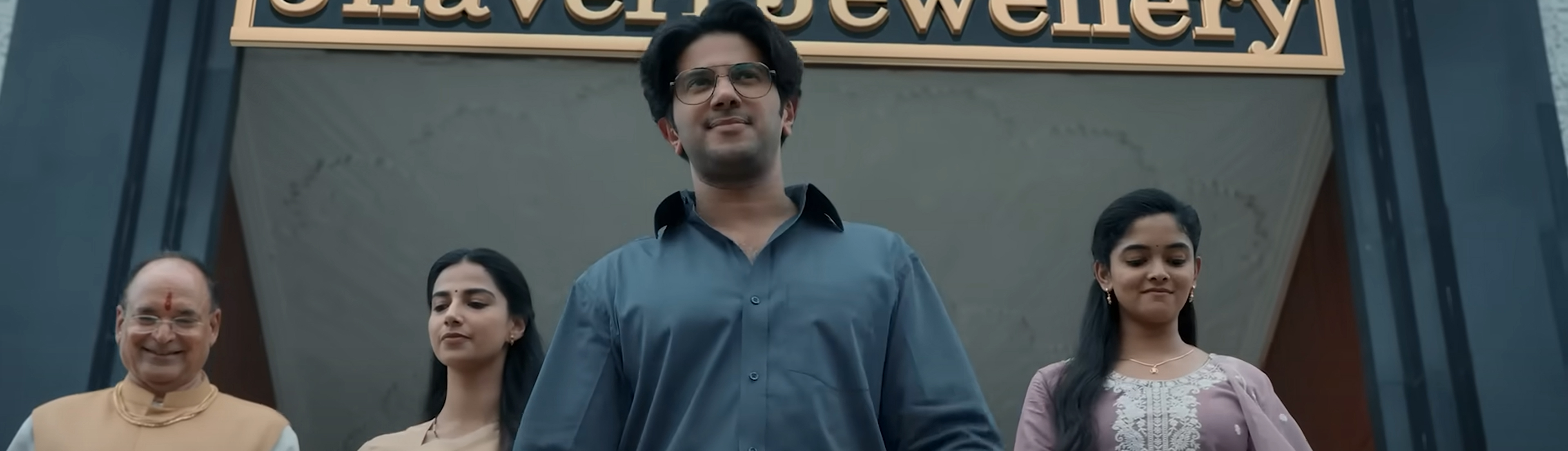
Lucky Baskha₹ Review –
Today, we are looking at a film set in Mumbai that was produced entirely in Telugu. This is a combination that I have not explored before, so it immediately piqued my interest. I have been wanting to explore more of what Indian Cinema has to offer, so studying how the different language-based productions explore other parts of the country is fascinating to me, as was the film itself. Well it was once I realised that Netflix had defaulted to the Hindi dub, and a quick fix putting back to the original Telugu.
So, to set the scene, it is the 29th of March 1992, and an alarm wakes the house. As he does most days, Baskhar Kumar (Dulquer Salmaan) starts his day off with a run along Mumbai’s coastline. There are many ways to make money in the city because Bombay is the money capital of India. He lives a mostly quiet life until one day, when he is picked up by government officers and taken to the Magadha Bank. He is alleged to have committed bank fraud, a serious offence that could bring his whole family down. But then it is time to jump back to the 11th of August 1989 to find out a humble bank clerk who is in debt to just about everyone got into this position.
 TL;DR Movie Reviews and Analysis