
TL;DR – It is both profoundly moving and also downright frustrating. The visual construction was some of the best all year, yet it pondered along, afraid to commit to what its thesis statement was.
Post-Credit Scene – There is no post-credit scene.
Disclosure – I was invited to a press screening of this film.
Warning – Contains scenes that may cause distress.
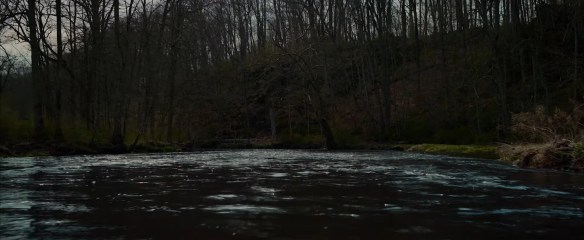
The History of Sound Review Introduction –
Today, we are looking at a film that existed in a state of dissonance for me, from the heights of beauty that you see throughout, to the despair of frustration. Some of this dissonance is purposely built into the film, an intentional conversation in subtext. However, while that is important, you can’t forget the actual text.
So, to set the scene, Lionel Worthing (Paul Mescal) has always had a special relationship with music since he was a child, able to feel it, see it, and manipulate it. It was this gift that took him in 1917 from the rural farm in Kentucky where he grew up to the Boston Conservatory to study music. It is here that he came across fellow student and composer, David White (Josh O’Connor). They had an instant bond, but war broke out, and David was drafted. David returned in 1919 and asked Lionel to join him on a trip collecting and recording folk songs, a trip that would have a marked impact on both their lives.
 TL;DR Movie Reviews and Analysis