TL;DR – A fascinating look into Latin American food and culture.
Score – 4 out of 5 stars
Review –
A couple of years ago, we got the next evolution in David Gleb’s food documentaries with Street Food Asia. It explored a side of the different countries that you don’t usually see. It delved into everything from food, culture, history, governmental practices and more through the lenses of these street vendors. Today we dive back into this series with a look at its next destination Latin America.
So to set the scene, we jump across Latin America from Las Chicas de la Tres in Buenos Aires, Argintina, Ré Restaurante, in Salvador, Brazil, Memelas Doña Vale in Oaxaca, Mexico, Al Toke Pez in Lima, Peru, Tolú in Bogotá, Columbia & Rellenos de Doña Emi in La Paz, Bolivia. Every episode takes a glimpse into the cities and the food that drives them.
TL;DR – An interesting exploration of Psychedelics through personal stories but it didn’t quite sit well with me at times.
Post-Credit Scene – There is a mid-credit and end credit scene
Review –
If there is one policy area that has received more attention than any other in recent years/decades/centuries it is that of drugs. Governments across the world have tried everything from the death penalty to throwing up their hands to turning a blind eye and all in between I mean, America is still fighting a War on Drugs for little to no effect. Well, how do you approach an issue like this, well one way is to actually talk to the people involved. This is the documentary that we explore today, though I should preface this goes into depth with the experience of drug and it is a hard R rating for a reason and you should know that going in.
So to set the scene, Have a Good Trip: Adventures in Psychedelics is a documentary that talks to people in the arts sphere about their experiences with drugs of the psychedelic variety. This documentary is broken up in several different ways, there are long-form interviews with people like Sting, where the documentary animates their stories, there are a wide range of talking heads from musicians, comedians, actors, and more, while also having old school educational videos (both real and created), while Nick Offerman pops in occasional as a teacher type figure.
TL;DR – A documentary about one of my favourite shows of all time, please and thank-you
Score – 4.5 out of 5 stars
Post-Credit Scene – There is a mid and end-credit scene that you need to stay for
Review –
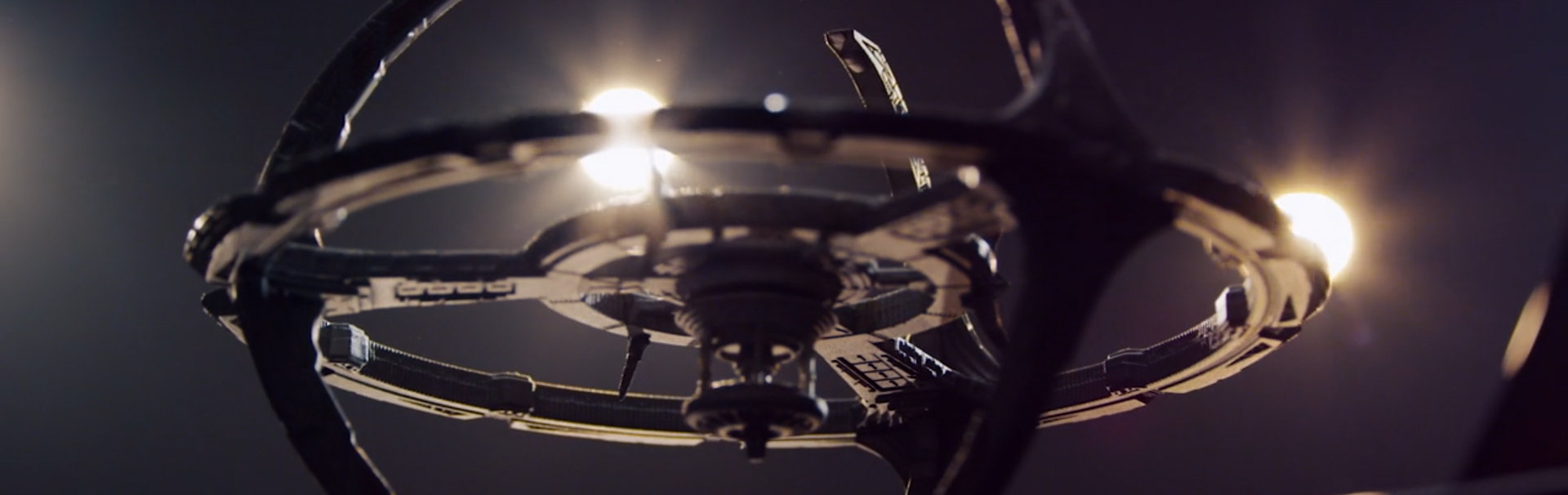
I have made many allusions in the past to just how much I love Star Trek: Deep Space Nine and to this day it is still my favourite installation in the Star Trek franchise. So when I heard that there was going to be a documentary made about it, I was excited, when it was coming out in Australian cinemas I was going to be there, and then that one weekend my life fell apart. Well, things are mostly better now, as long as I don’t read the news and stay home, which was the perfect time to catch up with something I missed and always wanted to watch.
So to set the scene, back in the 1990s the producers behind the very popular Star Trek series decided to do something a little different, instead of being in a ship that warps away at the end of each episode, the set the show on a space station. A station that is permanently positioned in the newly independent Bajor system, abandoned by the Cardassians after decades of ruin. It was an ambitious show, it was a controversial show, and it was and is still my favourite.
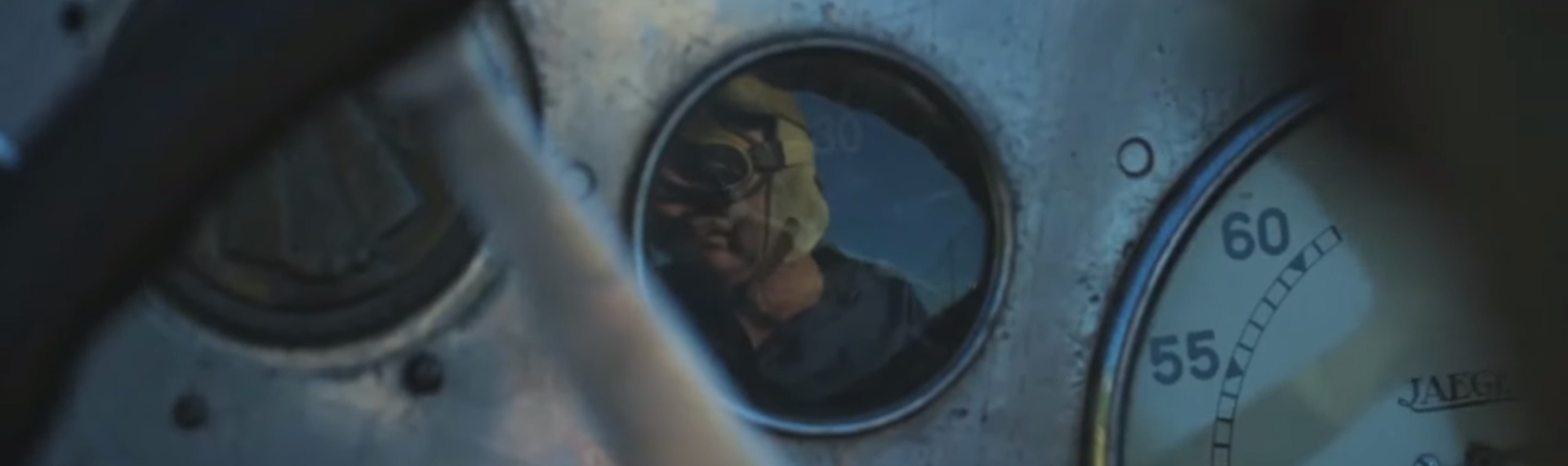
There are whole worlds out there that I had no idea existed or no idea of the complexities involved. One of those worlds is racing and specifically the F1. I know it exists, the basic rules, even many of the races and racers. However, I know very little about its history or the people that shaped. Well, today I take steps to fix that with a look at the life of Juan Manuel Fangio.
So to set the scene, we open in on Balcarce, Argentina as a voice-over lets us know how specialised being a top F1 racer is. It is here where we get a sense of just who this Juan Manuel Fangio is and the power his legacy has over the sport and racing in general. We start back in 1941 at the height of the WW2 where tiers were hard to come by, but he scraped it together and in 1947 was sent to Europe in Galliate, Italy which became his European base as he raced around the world.
TL;DR – An interesting look at the rise of one of the world’s most played video games, even if there are a few rough edges to the presentation.
Score – 3.5 out of 5 stars
Post-Credit Scene – There is no post-credit scene
Review –
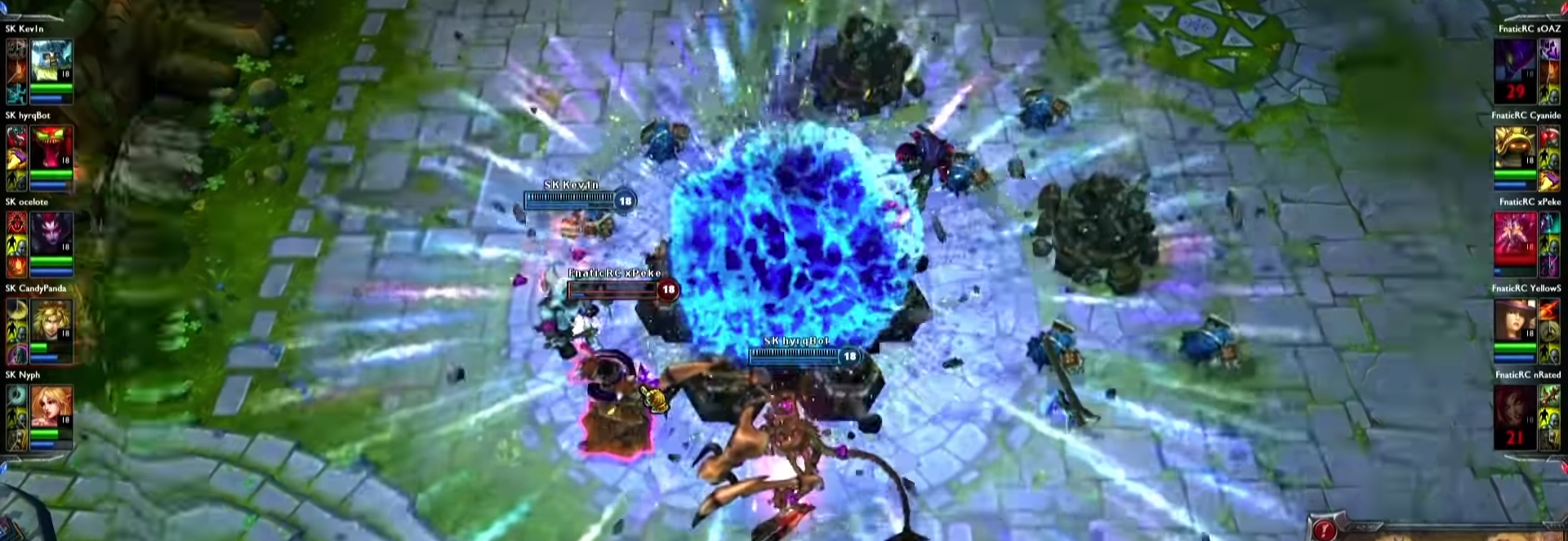
When you think about sporting spectacles, you think about Wimbledon, or Superbowl, or The Olympics. However, as time is going on, Esports is a growing phenomenon drawing in more people and more money than ever before. In this world of Esports, one of the biggest and fastest-growing games is a MOBA (Multiplayer Online Battle Arena) that goes by the name League of Legends. This documentary explores the history of Riot Games’ League of Legends, its growth and its potential future.
The fact that a game created in 2006 is still around today, is one of those quirks that rarely happens in the video games industry, the fact that it continues to be one of the most popular games in the world makes it more so. For that very reason alone, it makes this documentary interesting because it is really engaging watching a game go from being working out of a basement to having a grand final in the Bird’s Nest Stadium in Beijing. This is coming from someone who does not actually play the game. I have tried to get into MOBAs like LOL and DOTA before and while I like watching them be played but I have no skill in playing them.
TL;DR – An interesting exploration of one of the big topics of our days that just doesn’t quite come together.
Score – 3 out of 5 stars
Post-Credit Scene – There is no post-credit scene
Review –
There is this moment when people find out someone has done truly awful, where
those who know them have to reconcile the person you knew with the person they
now are. This is a common reaction across the world but today for some people
it has even more complication due to outside pressures. When people head off to
ISIS, there is this clamour as to why nothing was done, why didn’t people know?
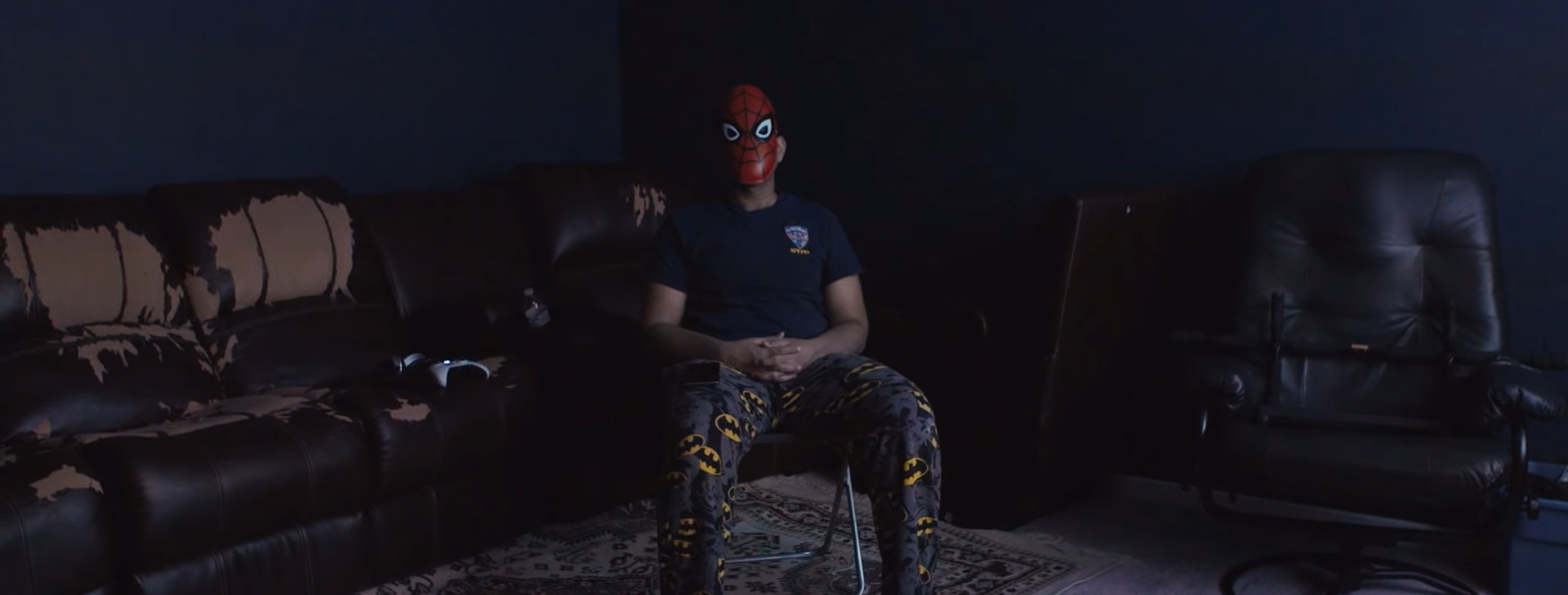
This short film explores the life of “Mark” and the reception to his apparent
departure to Syria to fight for ISIS by his friends back in Sugar Land,
Houston, Texas. Right from the start, this documentary captures your interest
by yes the content but also from the presentation. Everyone in the document bar
“Mark” has their face covered by vintage pop-culture masks like Thor and
Spider-Man. This is such an odd choice but then it is a good juxtaposition to
what they are talking about and everyone is wearing it for a good reason.
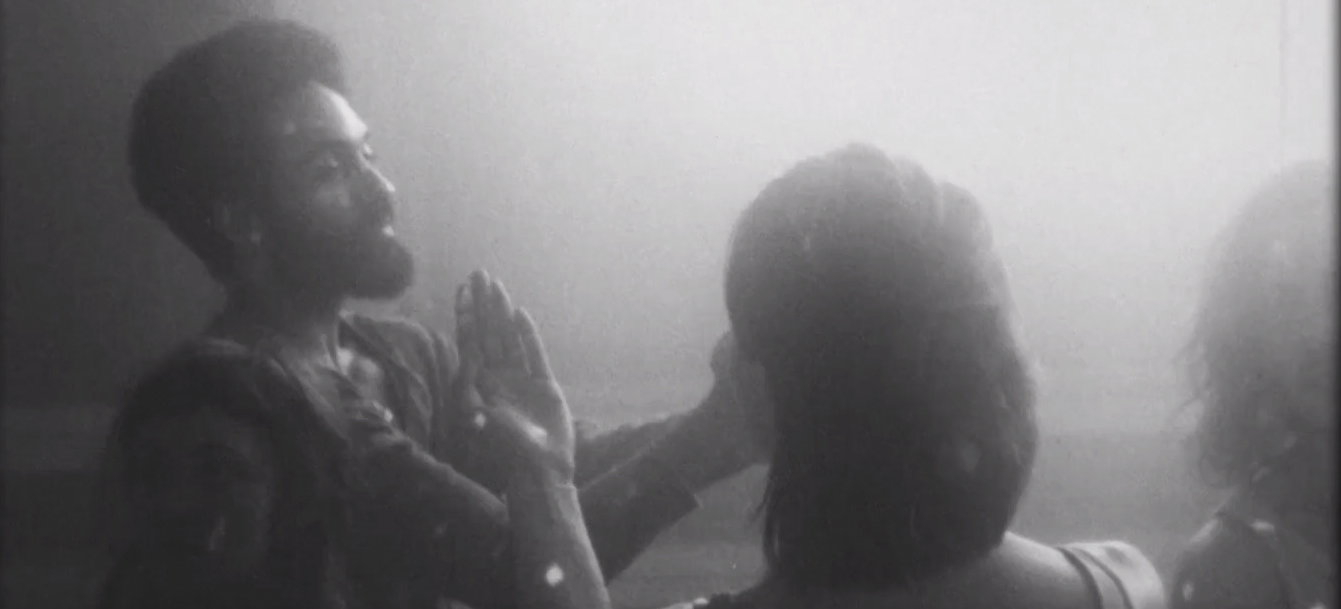
TL;DR – A fascinating experimental film that I think would work much better as three short films that one complete future
Score – 3 out of 5 stars
Warning – There is extensive use of Strobe Lighting in the second part of the trilogy.
Post-Credit Scene – There is no post-credit scene
Review –
Today we look at a film that is truly experimental in scope and form. It is a
film that has taken footage from the past (I believe) and then repurposed it
into something new. This transformation in tone and purpose through editing is
not something I have seen before.
So to set the scene, in the distant future the human race has become extinct,
replaced instead by quantum humans and their universal connection to the hive.
However, there are some quantum humans that due to a genetic quirk have
reverted a little back to their long-dead human ancestors. These Quickeners
have gathered together in Area 23 in the long-abandoned American continent to practice
old rituals and to find some meaning away from the hive.
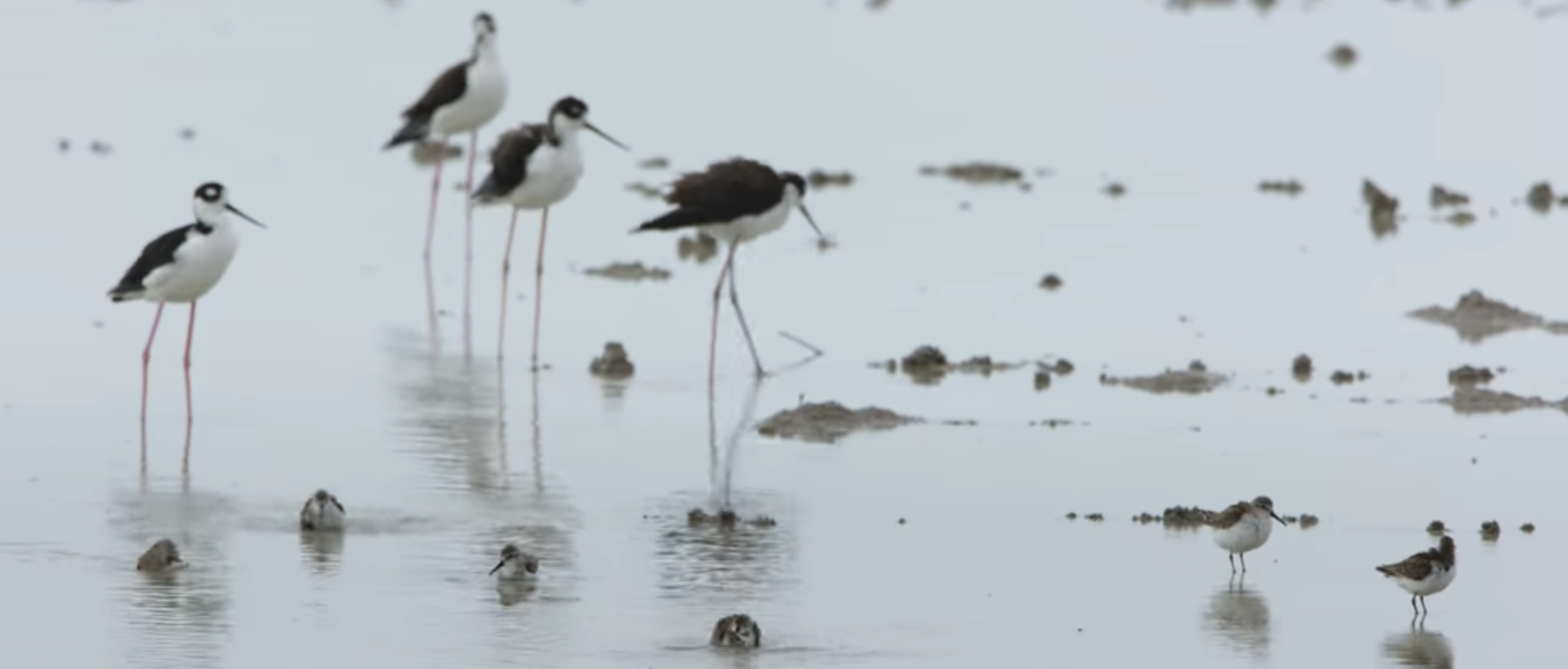
TL;DR – A fascinating look at the birds that live along the USA/Mexico border Score – 4 out of 5 stars
Post-Credit Scene – There is no post-credit scene
Review –
I love a good wildlife documentary, where you dive into a place in the world
and explore the glory that you find. Even more so when it is an area of the
world I don’t have a lot of experience with. Today we get just that with an
exploration of the birds along the Texan/Mexican border.
On the border of the United States of America and Mexico is the Rio Grande/Río
Bravo River. These days it is more the focus on human migration however while
this is an important area of discussion it is also the site of another
migration, birds. This is a look at the people whose lives revolve around the
birds, protecting them from the many dangers focusing on this precious
land.
TL;DR – The Australian Dream is a film that I think every Australian should watch because it holds up a mirror to Australian society and we need to be ready for what it shows.
Score – 5 out of 5 stars
Post-Credit Scene – There is no post-credit scene
Review –
I thought when I sat down to see The
Australian Dream that I was ready for what I was going to see. I was a
fool. This might be the most important film I have seen all year because it
shines the light on an episode that many in Australia feel more than content to
sweep under the rug because to do otherwise would mean confronting our history,
our way of life, and our commitment to all Australians.
At its core The Australian Dream
tells the story of Adam Goodes former Australian of the Year and one of the best
Australian Rules Footballers (AFL) to have ever played the game. It is the
story of his life, the highs and the lows. However, it is something more than
that, it is using the biography to focus in on a problem Australia has had for
the last two-hundred odd years and that is how it has dealt with its Indigenous
people and well there is a reason that Indigenous Australians call Australia
Day, Invasion Day.
TL;DR – This is a film that blends the idea of an advertisement with the presentation of a documentary and works about as well as you would expect
Score – 2.5 out of 5 stars
Post-Credit Scene – There is no post-credit scene
Review –
Growing up, one of the touchstones in my early cinematic life was anime, you
would get it in the morning on TV, which I had to tape on VCR for watching
later. Indeed, I think every one of my generations loathed those opening sounds
of the first episode of Pokémon
because it meant that Cheez TV had
run out of new episodes and was starting it from the beginning again. As I grew
up, it was a part of my cinematic world that I just couldn’t keep up with, and every
time I go to conventions I see an array of cosplayers showing my just how many
shows I have missed. Well when I saw that there was a new documentary about anime
on Netflix, I was really interested because it would be nice to walk down
memory lane and to explore the future again. Unfortunately, that is not quite
what we got.
The premise for this documentary is that Netflix set the director Alex Burunova
of working out the answer to a question ‘What is Anime’? Alex, having no experience
with the genre other than a tangential understanding of its influence decided
to throw herself into the world of anime and manga and the sub-cultures that
consume and make it. This, of course, meant going straight to the source and
talking with the directors and animators where it is all made in Japan. It is
good that right from the start, they make it clear where the genesis of this
project came from, it was a Netflix project and Alex was hired to make it. So
when the documentary goes to Adi Shankar the creator of the Castlevania Netflix series as its first
interview it feels like the right jumping-off point for the show. Well instead
of jumping off from there, this is where the show stayed.





 TL;DR Movie Reviews and Analysis