TL;DR
– I look at the highs
and lows of the last 10 years of my Minecraft story, the video game I have
probably spent more hours playing than anything else.
Article –
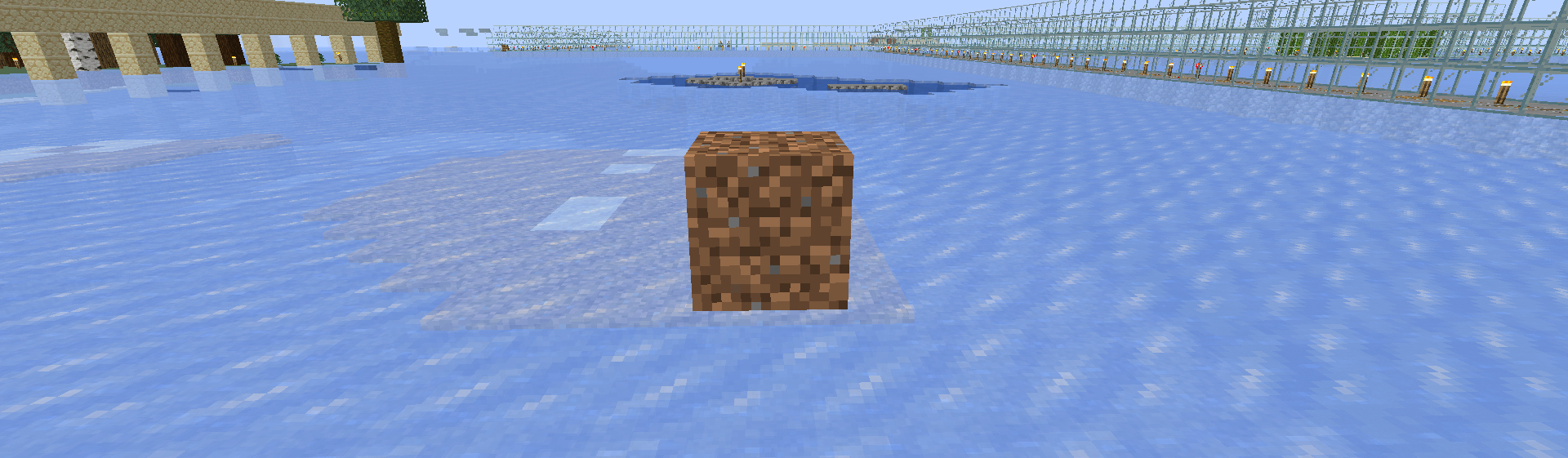
This year is Minecraft’s 10 year anniversary, and if you are like me and can remember when it first came out, well that is one of those numbers that will just make you feel old. In those 10 years, Minecraft has gone from this small Indy darling that you heard about through whispers on the internet to a full-on industry juggernaut. There have been countless videos and tutorials, and while there have been a lot of imitators, nothing has ever reached the heights of the original.
As I thought back through the last 10 years, I had the sudden realisation that I have probably spent more hours in Minecraft than any other game I have played, bar maybe Civilizationthankfully Minecraft was never on Steam so there is not a tracker out there with the exact hour count. That was of course then a prompt to get all nostalgic about a simpler time, a time of dirt and cobblestone, and when zombies dropped feathers for some reason.
TL;DR – Today we chart every
location visited during 20 Seasons of Time
Team one of the most wonderful shows to ever grace British television.
Article –
Well, today we are continuing our Mapping British TV week with Time Team (after looking at Grand
Designs earlier). Time Team
is one of those rare shows that was at its heart is an educational show, but it
also was one of the most entertaining things on TV in its time. That is such a
difficult balance to get right and like Where
in the World is Carmen Sandiego this is one of the other rare shows that
actually managed to pull that off.
For those who don’t know about Time Team,
it is a show about exploring the history of the British Isles (and some other
places). The show would arrive at a site where people have some questions about
a hill, or lump of stone, or an odd blip on a map, and from here they have just
three days to excavate as much of the site as possible. They are looking for
important finds like mosaic floors of the Romans, motte-and-bailey castles of the Normans, WW2 fornications,
ditches next to roads, and never any Roman temples, okay bar that one time. The
team includes host Tony Robinson, lead field archaeologist Phil Harding, and
experts like Mick Aston, Francis Pryor, Helen Geake, John Gater, Raksha Dave, Stewart Ainsworth, and many more.
The format might be something that goes against most archaeological digs that
happen over months and years, but it makes for some great TV. In the end, what
the show is mostly doing is engaging in the first prep work on sites for local archaeological
groups who could not afford the geophysics themselves. Through this, they have
made finds that have reshaped the way that we look at parts of British history.
My love for the show comes from many places. There is the interaction between
the hosts and the teams, the allure that at any moment something major could be
found that would have Tony Robinson dashing across the site to instigate, Phil’s
hat, and also learning about the history of the world. I think thanks to this
show I can give you a more in-depth view of the history of Great Britain than I
can of my own country, but that may also be an indictment on the history standards
in 1990s Australian schools. So without further delving into the past, let’s
delve into the past.
Civilization Leader: Eleanor of Aquitaine Leader Agenda: English Capital: French Capital: Leader Bonus: Court of Love – Great works in Eleanor’s cities leads to a loyalty deficient in other civilization cities withing 9 tiles. If a city leaves a civilizastion and Eleanor is the the Civ with the most loyalty pressure the city skips the Free City phase.


 TL;DR Movie Reviews and Analysis